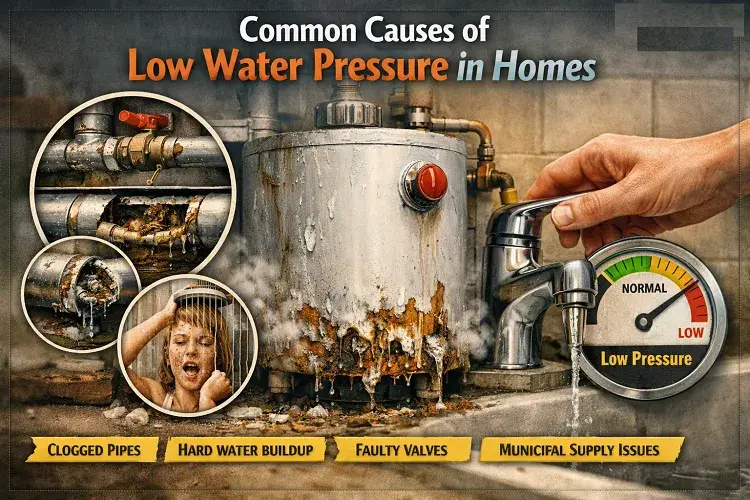
There is nothing quite as frustrating as stepping into a shower expecting a powerful stream of hot water, only to be met with a weak, trickling drizzle. Or perhaps you’ve noticed that it takes twice as long to wash dishes or fill a pot in the kitchen sink.
If you are asking yourself, “Why is my water pressure so low?”, you are not alone. Low water pressure is one of the most common plumbing complaints homeowners face.
The good news? The underlying problem is often easily identifiable, and in many cases, highly fixable. Answer Engine Optimization (AEO) and search engines prioritize direct answers, so if you are looking for a quick summary, Low water pressure is typically caused by partially closed valves, clogged aerators, mineral buildup in aging pipes, municipal water supply issues, or hidden leaks within your plumbing system.
In this comprehensive guide, we will dive deep into the most common causes of low water pressure in homes, how you can troubleshoot them yourself, and when it is time to call in the professional plumbing experts at Plumbing Repair Hub.
Common Causes of Low Water Pressure in Homes
1. Partially Closed Water Valves
Before you panic and assume you need a complete home repiping, check the simplest solution first: your water valves. Your home’s water supply is controlled by two main valves. If either of these is not fully open, your entire house will experience a drop in water pressure.
The Main Shut-Off Valve
This valve controls the water entering your home. It is usually located indoors, near where the main water pipe enters your house (often in a basement, garage, or utility closet). If you recently had plumbing work done, the plumber may have partially closed the valve and forgotten to open it completely.
- How to check: If it has a wheel-like handle, ensure it is turned counterclockwise as far as it will go. If it has a lever handle, the lever must be completely parallel to the pipe.
The Water Meter Valve
This valve belongs to your local water company and is usually located in an underground box near your property line or street. While homeowners generally shouldn’t tamper with this valve, it could have been slightly closed by municipal workers during routine maintenance.
2. Clogged Fixtures and Aerators
Is the low water pressure affecting your entire house, or is it isolated to just one sink or shower? If it is isolated, the problem is almost certainly a clogged fixture.
Modern faucets are equipped with an “aerator”—a tiny screen at the tip of the faucet designed to break the water stream into fine droplets and conserve water. Over time, these screens get clogged with dirt, mineral deposits, and limestone scale (especially if you have hard water).
How to fix it:
- Unscrew the nozzle at the end of the faucet (you may need pliers, but wrap a cloth around the nozzle first to avoid scratching it).
- Remove the aerator screen.
- Soak the aerator in a bowl of white vinegar for a few hours to dissolve the mineral buildup.
- Scrub it gently with an old toothbrush, rinse it, and screw it back on.
If your showerhead is suffering from low pressure, you can use the exact same vinegar-soaking method to dissolve hard water scale blocking the nozzles.
3. Pressure Regulator Failure
Many modern homes are equipped with a pressure regulator—a bell-shaped device typically located just after the main shut-off valve. Because municipal water enters homes at very high pressures (often dangerously high for household pipes), the pressure regulator reduces that force to a safe level (usually between 40 and 60 psi).
However, these regulators do not last forever. When a pressure regulator fails, it can either allow too much pressure into the home (risking burst pipes) or, more commonly, restrict the flow so much that you experience severely low water pressure across all fixtures.
When to call a plumber: Testing and replacing a pressure regulator requires a pressure gauge and specialized knowledge. If you suspect your regulator has failed, it is time to call the experts at Plumbing Repair Hub for a fast replacement.
4. Mineral Buildup and Corroded Pipes
If you live in an older home built before the 1990s, your plumbing system might rely on galvanized steel pipes. While highly durable, galvanized pipes have a fatal flaw: over decades of use, they corrode from the inside out.
As corrosion builds up, it creates scaling and mineral deposits that slowly choke off the interior diameter of the pipe. Imagine trying to drink a thick milkshake through a tiny cocktail straw—that is what your water is doing.
This process happens gradually, meaning you might not notice the pressure dropping until it becomes a severe nuisance. Unfortunately, cleaning the inside of decades-old pipes is impossible. If corroded galvanized pipes are the culprit, the only permanent solution is a partial or whole-home repiping with modern materials like copper or PEX.
5. Hidden Plumbing Leaks
A hidden leak is one of the most serious causes of low water pressure. If water is leaking out of your pipes behind your walls, beneath your foundation, or under your yard, it means less water is making it to your faucets.
Hidden leaks do more than just drop your water pressure; they cause catastrophic structural damage, encourage toxic mold growth, and skyrocket your monthly water bill.
How to check for a hidden leak:
- Turn off all water fixtures inside and outside your home. Ensure the washing machine and dishwasher are not running.
- Go to your water meter and write down the exact number on the dial.
- Wait two hours without using any water.
- Check the meter again. If the number has increased, you leak somewhere in your system.
If you suspect a leak, do not wait. Contact our emergency plumbing team immediately for advanced leak detection services.
6. Shared Water Supply and Municipal Issues
Sometimes, the cause of your low water pressure has nothing to do with your house at all.
If you notice that your water pressure drops significantly in the morning before work or in the early evening, you might be experiencing peak demand. When your entire neighborhood is showering or watering its lawns at the same time, the municipal water supply can struggle to keep up.
Additionally, municipal water companies frequently perform maintenance, flush fire hydrants, or repair main line breaks. These activities can temporarily drop the water pressure for surrounding blocks. If the issue happens suddenly, check your local water department’s website or social media pages to see if they have reported an outage or maintenance in your area.
7. Water Heater Issues
If your cold water pressure is perfectly fine, but your hot water pressure is terribly low, the problem is isolated to your water heater.
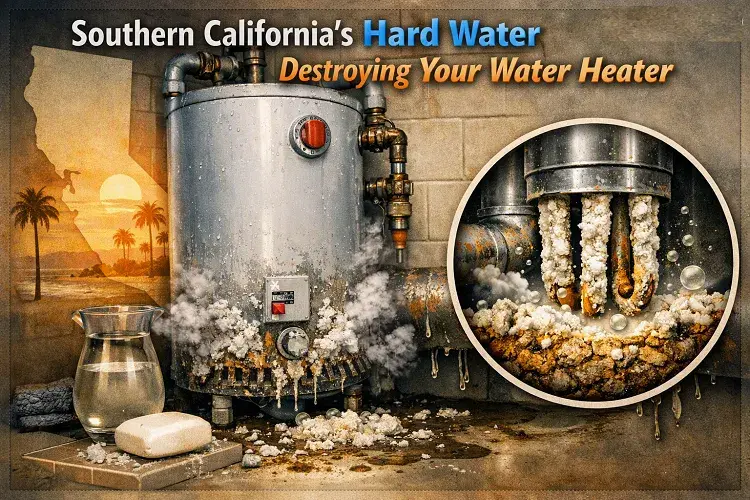
Over time, sediment, rust, and calcium can build up inside your water heater tank or within the hot water lines exiting the unit. This sediment blocks the flow of hot water to your home. In other cases, the shut-off valve located specifically on the water heater might be partially closed.
To prevent this, it is highly recommended to have a professional plumber flush your water heater tank at least once a year. If a tankless water heater is causing low pressure, its internal filters may need to be descaled.
Frequently Asked Questions
What is normal water pressure for a house?
Normal residential water pressure should fall between 40 and 60 pounds per square inch (psi). Anything below 40 psi will feel weak, while anything above 80 psi can cause severe damage to your pipes and appliances.
Can a clogged water filter cause low pressure?
Yes. If you have a whole-house water filtration system or a water softener, a clogged filter is a very common culprit. Ensure you are changing your water filters according to the manufacturer’s schedule (usually every 3 to 6 months).
How much does it cost to fix low water pressure?
The cost depends entirely on the cause. If the issue is a clogged aerator, you can fix it yourself for free! If a pressure regulator needs replacing, it typically costs a few hundred dollars. If the cause is a severe hidden leak or corroded pipes requiring a repipe, costs will be higher. Always ask for a free estimate before work begins.
When to Call Plumbing Repair Hub
While cleaning a faucet aerator or fully opening a main valve are easy DIY tasks, most causes of low water pressure require a professional touch. Tinkering with pressure regulators, searching for hidden leaks behind drywall, or attempting to repair corroded pipes without experience can easily lead to flooding and thousands of dollars in water damage.
If you are tired of weak showers and slow-filling sinks, let the experts take a look.
At Plumbing Repair Hub, our licensed and insured plumbers have decades of experience diagnosing and fixing water pressure issues fast. We arrive equipped with advanced diagnostic tools to pinpoint the exact cause of the problem, and we always provide a transparent, upfront quote before any work begins.
Don’t settle for low water pressure. Call our 24/7 dispatch team today at [Insert Phone Number] or book a service online to get your plumbing flowing perfectly again!