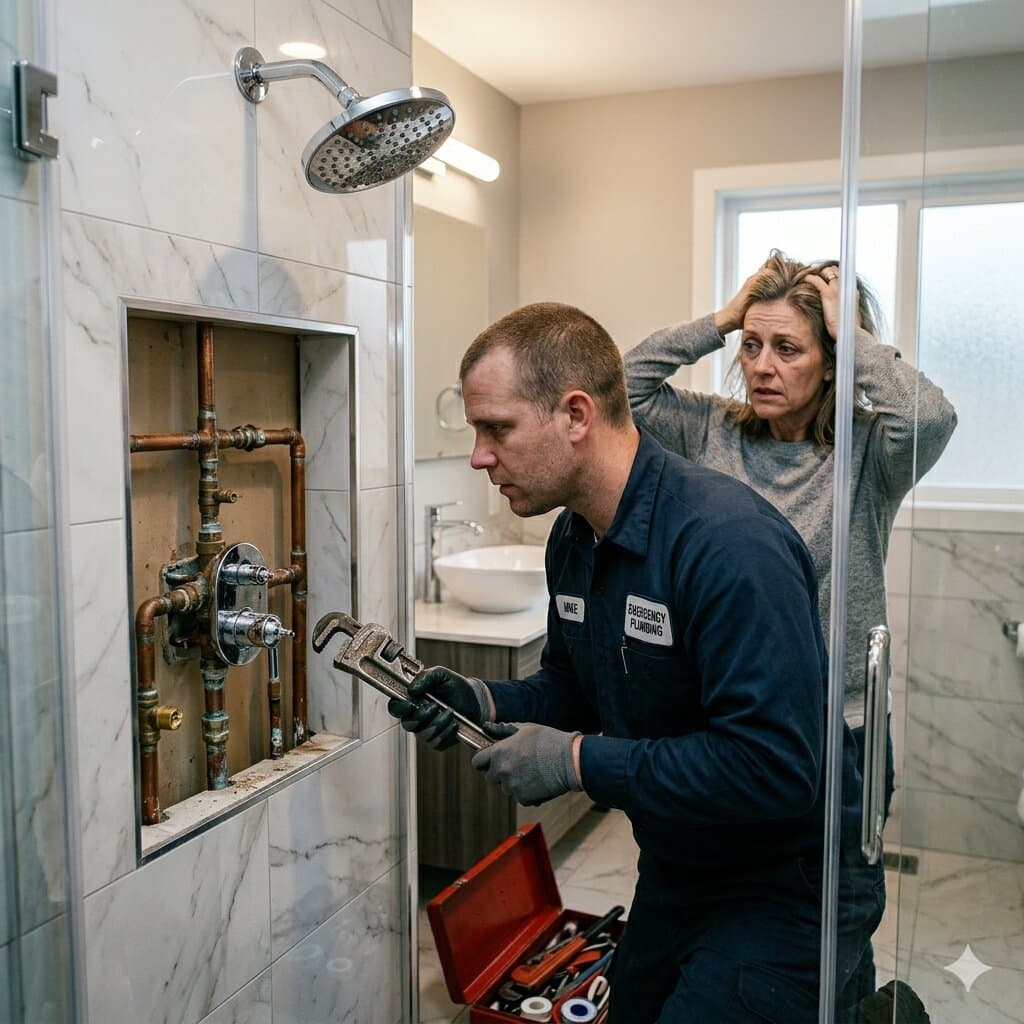
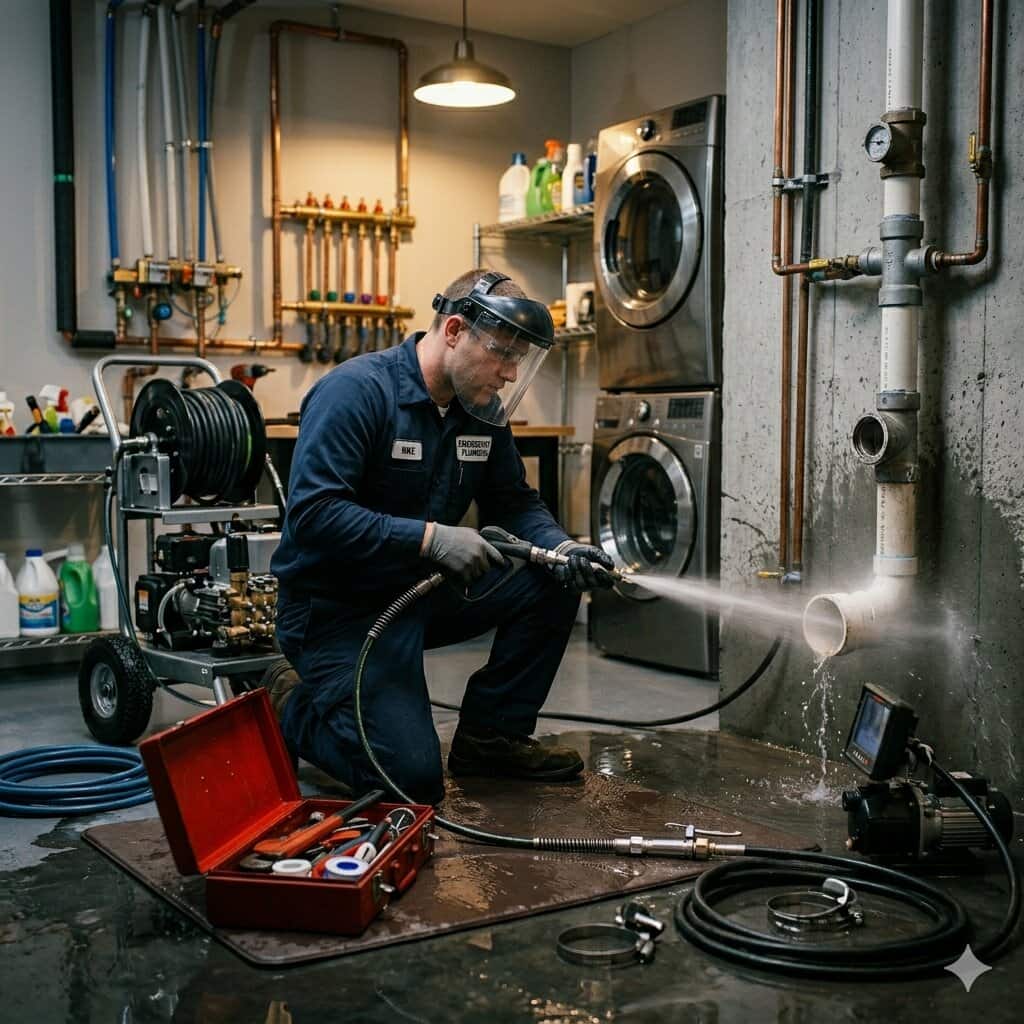
A burst pipe is one of the most stressful plumbing emergencies any homeowner can face. Whether caused by freezing temperatures, aging pipes, corrosion, or excessive water pressure, a damaged pipe can quickly flood your home and lead to costly repairs if not handled properly.
The first and most important step is to shut off the main water supply immediately. Every homeowner should know where the main shut-off valve is located before an emergency occurs. Stopping the water flow helps reduce structural damage to walls, flooring, furniture, and electrical systems.
After turning off the water, switch off electricity in affected areas if water is near outlets or appliances. Safety should always come first. Next, drain remaining water from faucets and flush toilets to reduce pressure inside the plumbing system.
If possible, locate the damaged section of pipe and place a bucket or towels underneath to catch leaking water. Taking photos of the damage may also help with insurance claims later.
Avoid attempting major pipe repairs yourself unless you have plumbing experience. Temporary solutions like pipe tape or clamps may slow the leak, but professional repairs are usually necessary to ensure long-term reliability.
Routine plumbing inspections can help identify weak or corroded pipes before they fail. Replacing aging plumbing components early often prevents expensive emergency repairs and water damage restoration costs in the future.